Introduction
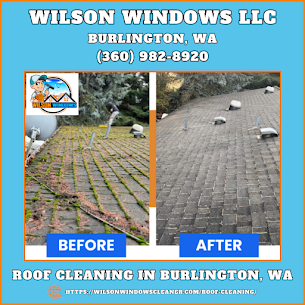
When it comes to home maintenance, one aspect that often gets overlooked is the roof. A clean roof not only enhances the aesthetic appeal of your home but also prolongs its lifespan. Among various factors affecting roof cleanliness, algae growth stands out as a significant concern. Understanding Algae Removal as Part of Your Roof Cleaning Process is essential for ensuring your roof remains in top condition. In this article, we'll delve into what algae is, how it affects roofs, and the best practices for removing it.
What is Roof Cleaning Called?
Roof cleaning is often referred to by various names in the industry. While "roof cleaning" itself is the most common term, you may also encounter phrases like "roof maintenance," "roof restoration," or "roof washing." These terms generally describe services aimed at preserving or restoring a roof's condition.
What are Roof Cleaning Services?
Roof cleaning services involve a range of techniques designed to remove dirt, debris, moss, and algae from roofing materials. A professional service will evaluate affordable roof cleaning company the type of roof you have and decide on an appropriate cleaning method.
What is the Best Method of Roof Cleaning?
Determining the best method for roof cleaning isn't a one-size-fits-all situation; it largely depends on your specific needs and circumstances.
Soft Washing vs. Pressure Washing
Soft Washing: This method utilizes low-pressure water combined with specialized cleaning solutions to effectively remove algae without damaging shingles or tiles. Pressure Washing: Although effective in some scenarios, pressure washing can harm delicate roofing materials if not done correctly.Choosing the Right Method
Before deciding on a method, consider factors such as:
- Type of roofing material Extent of algae growth Budget constraints
How Long Does Roof Cleaning Last?
The longevity of roof cleaning results can vary significantly based on several factors:
Type of Cleaner Used: High-quality cleaners tend to offer longer-lasting effects. Environmental Conditions: Humidity and rainfall can affect how quickly new algae may develop. Roof Maintenance Practices: Regular inspections and preventative measures can help maintain cleanliness.Expected Duration
On average, cleaned roofs can stay clear from algae for 1-3 years before requiring another treatment.
What is the Best Roof Cleaning?
The best roof cleaning combines effective methods tailored to your specific roofing material while ensuring the preservation of its integrity.
Considerations for Best Practices
- Use eco-friendly chemicals Opt for soft washing when applicable Hire experienced professionals who understand various roofing materials
How Do You Calculate Roof Cleaning?
Calculating the cost of roof cleaning involves several factors:
Size of Your Roof: Larger roofs will naturally require more resources and time. Extent of Algae Growth: Heavily infested areas may require additional treatments. Location: Prices can vary based on geographical location—for instance, Roof cleaning Burlington WA might differ from Roof cleaning Mount Vernon, WA.Cost Estimates Table
| Factor | Estimated Cost Range | |----------------------|----------------------| | Small Residential | $200 - $400 | | Medium Residential | $400 - $800 | | Large Residential | $800 - $1500 |
What is the Best Roof Cleaning Process?
The best process typically follows a systematic approach:
Initial Assessment: Evaluate the current state of your roof. Choosing Methods: Decide whether soft washing or another method fits best. Application: Clean using chosen methods while ensuring safety protocols are adhered to. Final Inspection: Check for any lingering issues post-cleaning.Importance of Professional Help
Hiring professionals ensures that you receive expert advice tailored specifically to your roof's needs—especially regarding best roof cleaning Burlington WA options available.
What are the Cons of Roof Cleaning?
While there are many benefits to maintaining a clean roof, there are potential downsides as well:
Risk of Damage: If not performed correctly (especially with pressure washing), roofs can be damaged. Temporary Results: As noted earlier, algae may return after a few years. Cost Involvement: Depending on your chosen method and service provider, costs can accumulate over time.Mitigating Risks
To mitigate these risks:
- Always hire qualified professionals Use eco-friendly solutions Schedule regular maintenance
What Does Roof Cleaning Include?
A comprehensive roof cleaning service typically includes:
Inspection of Roofing Material Removal of Debris (leaves, branches) Application of Cleaning Solutions Rinsing Away Contaminants Preventative Treatments (if necessary)Follow-Up Services
Some companies offer follow-up services that include routine checks or additional treatments as needed.
What is Softwashing a Roof?
Softwashing is an increasingly popular technique used in roof cleaning that employs low-pressure water combined with specialized solutions designed to kill algae and other organic growths without damaging shingles or tiles.
Advantages of Softwashing
- Less risk of damage compared to high-pressure methods Longer-lasting results due to chemical treatment Eco-friendly options available
Understanding Algae Removal as Part of Your Roof Cleaning Process
Algae thrive in moist environments and are particularly fond of roofs where they find shelter from direct sun exposure—often leading to unsightly stains that can compromise structural integrity over time if left untreated.
The Role Algae Play
Algae feed off moisture trapped in roofing materials and produce spores which spread further contamination if not removed properly during routine maintenance tasks like roof cleaning Burlington WA services.
Effective Algae Removal Techniques:
Chemical Treatments Manual Brushing Preventative Sealants Post-CleaningBy understanding these techniques within Understanding Algae Removal as Part of Your Roof Cleaning Process, you ensure both aesthetic improvement and long-term durability against future infestations!
FAQs About Roof Cleaning
1) What should I do before my roof cleaning appointment?
Make sure outdoor furniture is moved away from work areas and any existing debris like branches or leaves are cleared beforehand!
2) How often should I clean my roof?
Most experts recommend every 1–3 years depending on climate conditions—more frequent in humid areas!
3) Is DIY roof cleaning effective?
While DIY methods exist—proceed with caution! Improper techniques could lead to more harm than good; trust professionals when possible!
4) Can I use bleach for algae removal?
Bleach isn’t recommended due its corrosive nature which may cause damage over time; seek specialized products instead!
5) Will my insurance cover roof cleaning?
Coverage varies by policy; check directly with your insurer regarding specifics related repairs/maintenance work being covered under homeowner’s insurance policies!
6) Are there any environmentally friendly options available?
Absolutely! Many companies provide eco-conscious products designed specifically for safe usage around plants/pets without harming nearby ecosystems during application processes!
Conclusion
In summary, keeping up with proper maintenance through informed decisions about your home's exterior—including understanding algae removal during routine cleanings—can greatly extend both lifespan & functionality! Armed with knowledge from this guide on “Understanding Algae Removal as Part Of Your Roof Cleaning Process”, you'll be better prepared for whatever challenges Mother Nature throws at you next time she decides it's time for another wash!